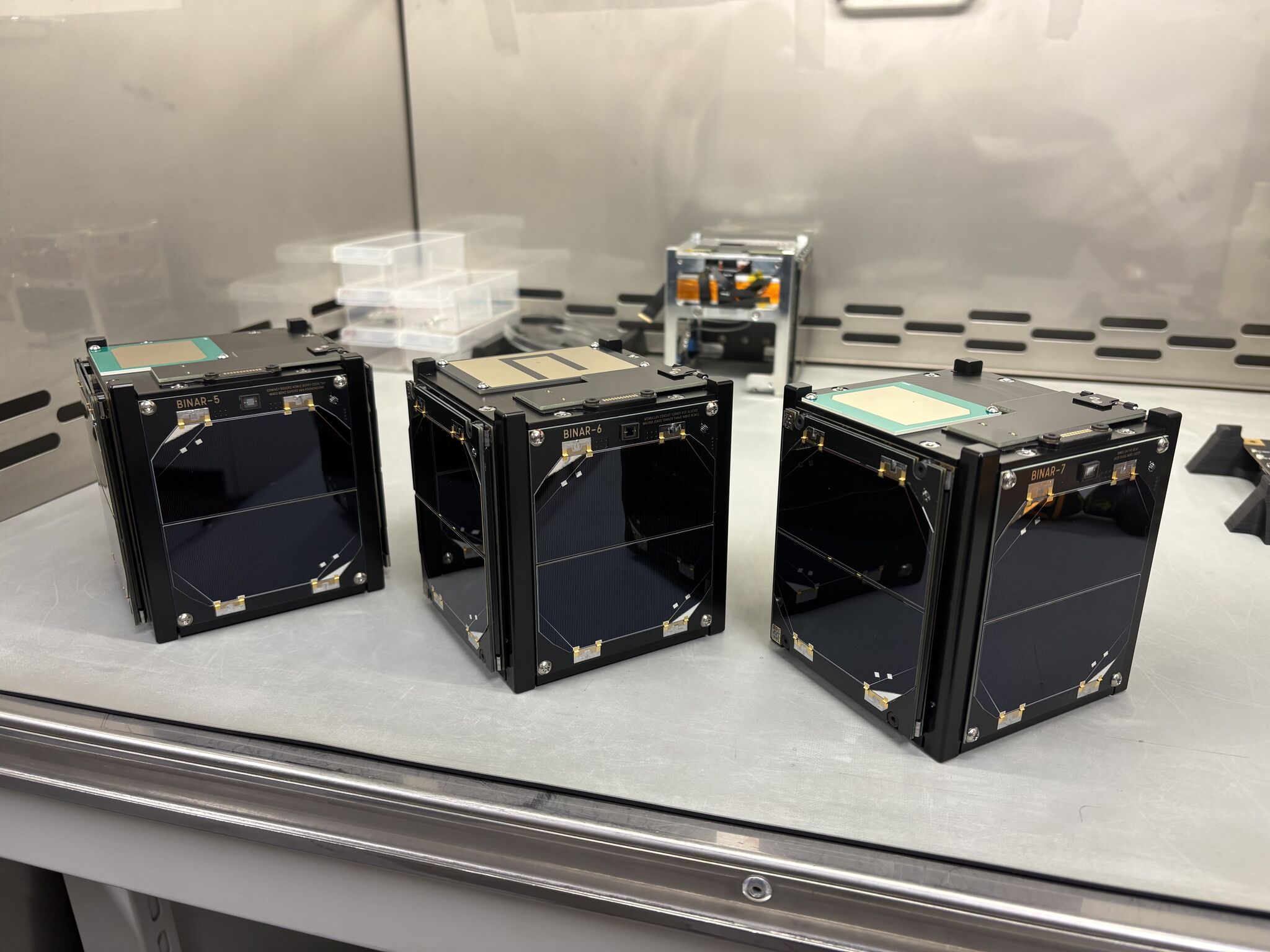
Binar-5, Binar-6 & Binar-7 (Upcoming)
Scheduled to launch NET Q4 2026, Binar‑567 comprises three 1U satellites (Binar‑5, Binar‑6 and Binar‑7) designed to support research, technology development, and STEM engagement in low‑Earth orbit.
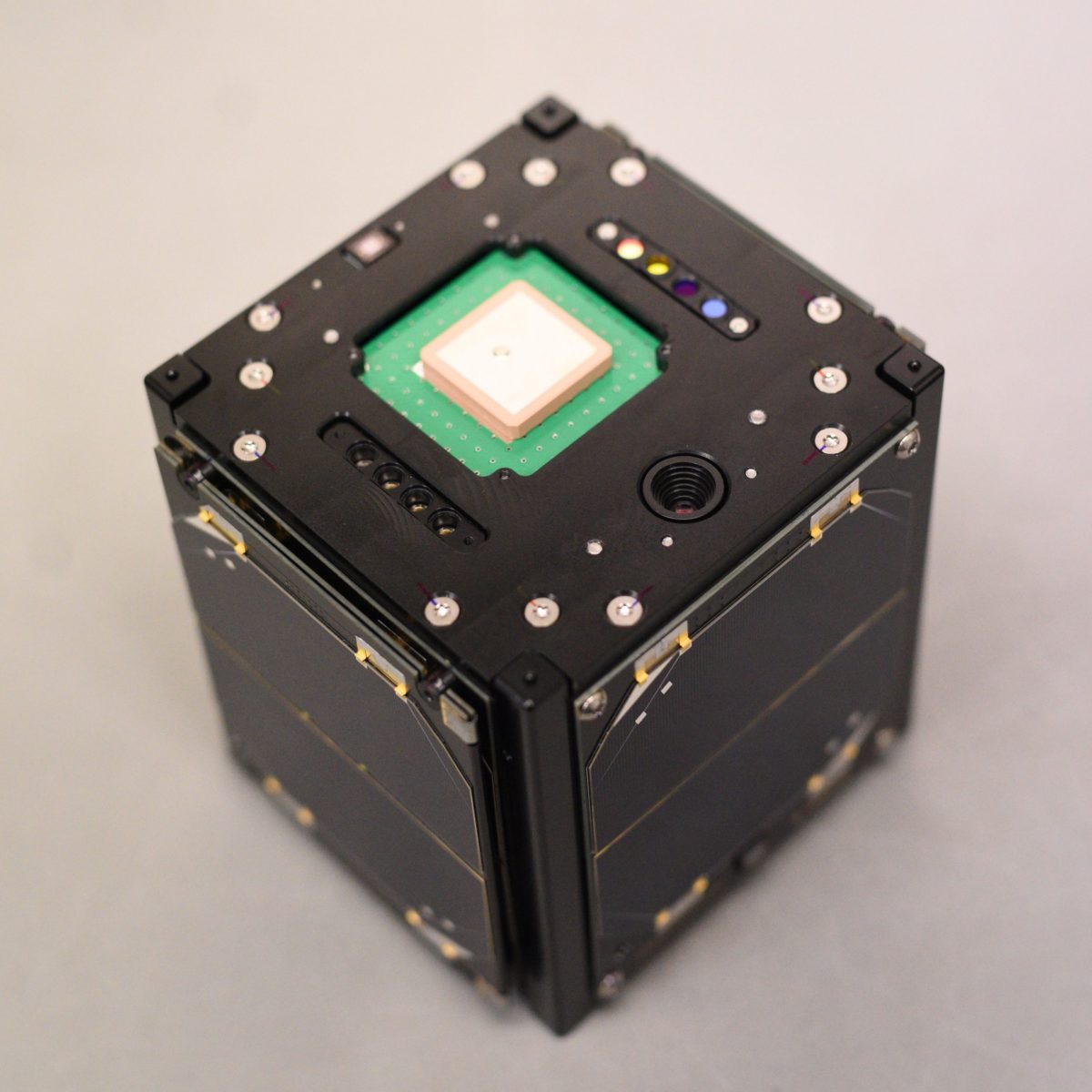
Binar‑5 carries student-designed payloads developed through the BinarX Student Payload Development Program, giving Western Australian high school students the opportunity to see their experiments operate in space and engage directly with a real satellite mission.
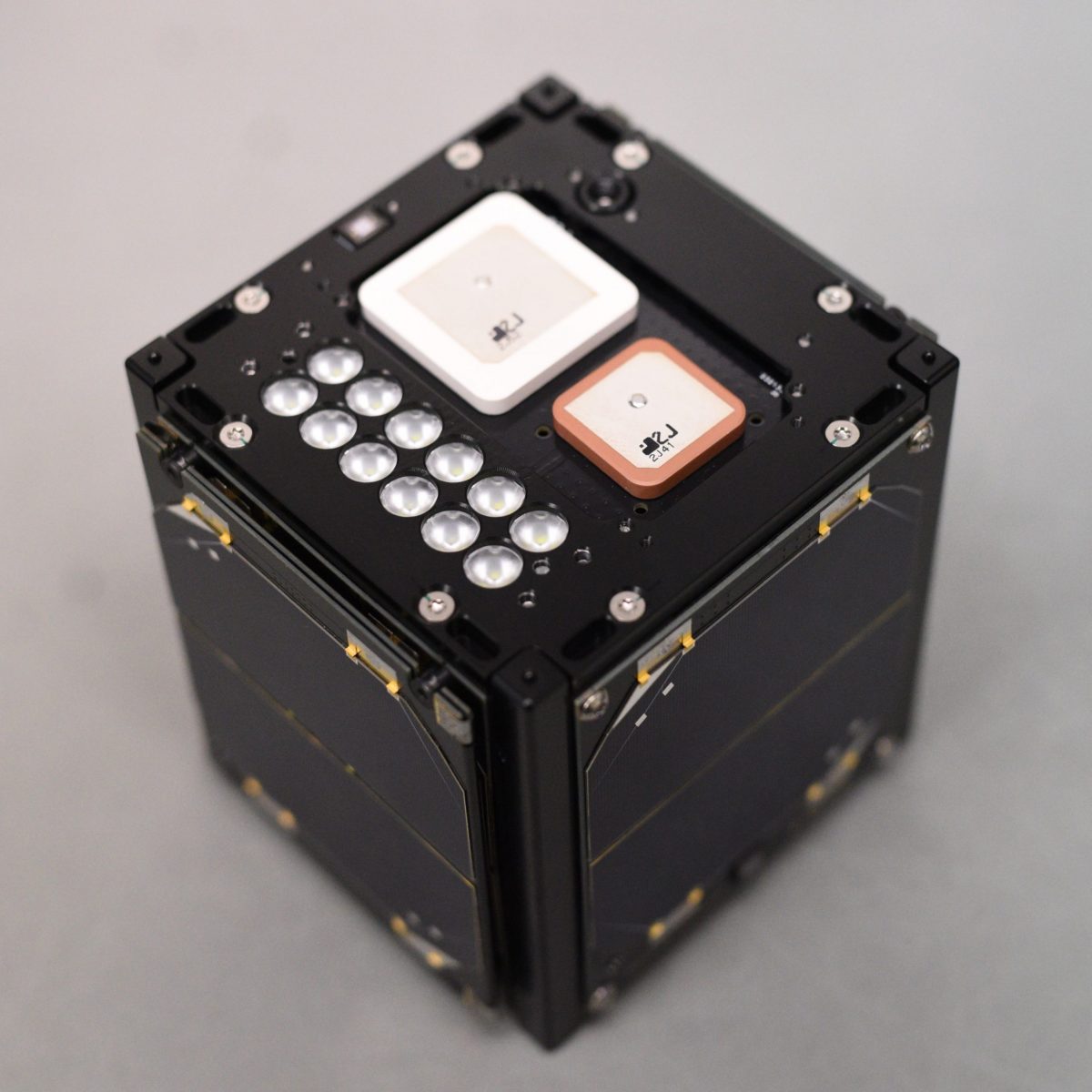
Binar‑6 focuses on testing new technologies that will help improve future spacecraft developed by the Binar Space Program and expand its mission capability. The global amateur radio community is invited to transmit a command to Binar-6 on the UHF band (frequency TBA – keep checking back for updates!) to try and get the LED payload on board to flash our call sign in morse code if the transmission is successful!
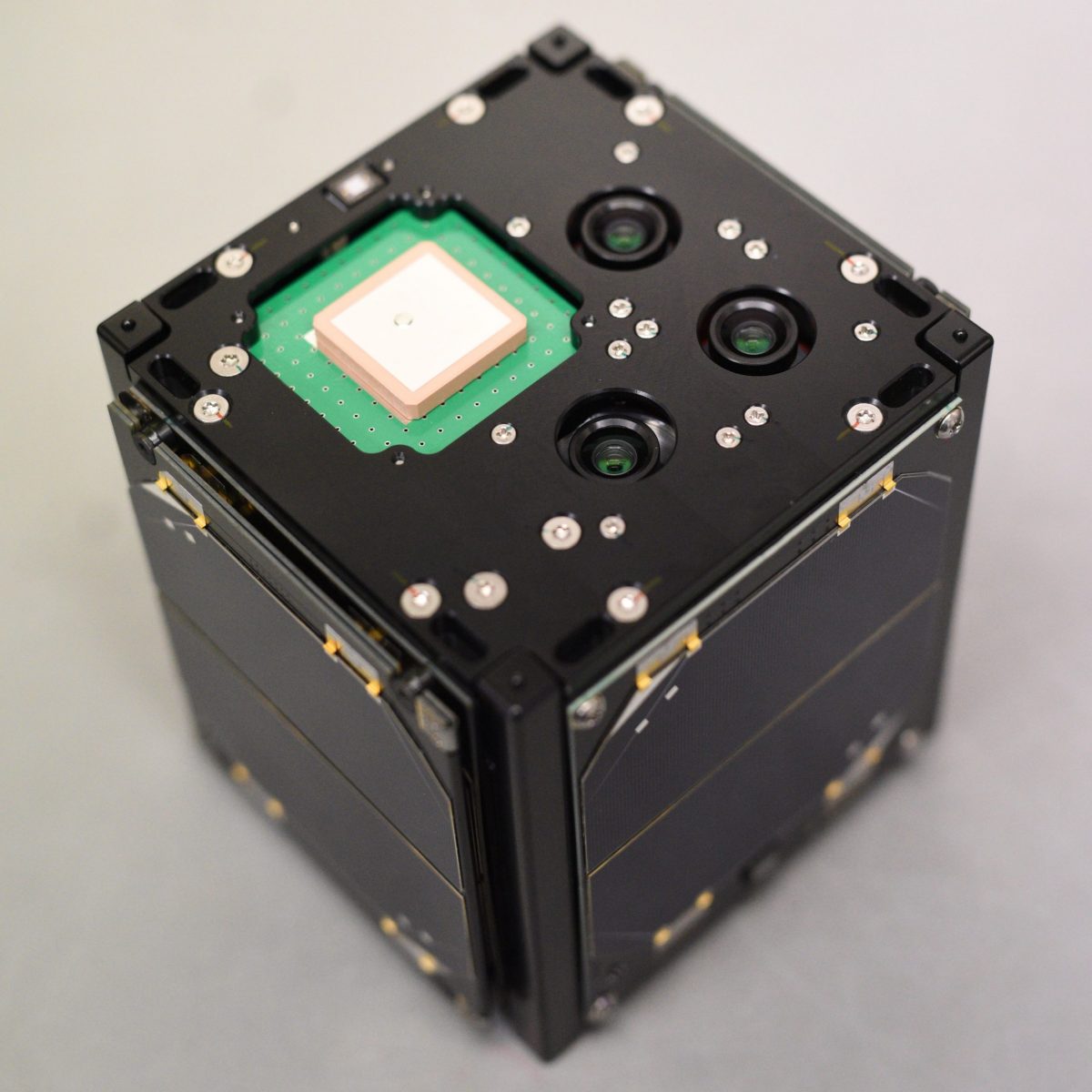
Binar‑7 is equipped with an Earth imaging payload to capture data and imagery that can support environmental monitoring, including applications such as bushfire awareness, while also supporting outreach and public engagement.
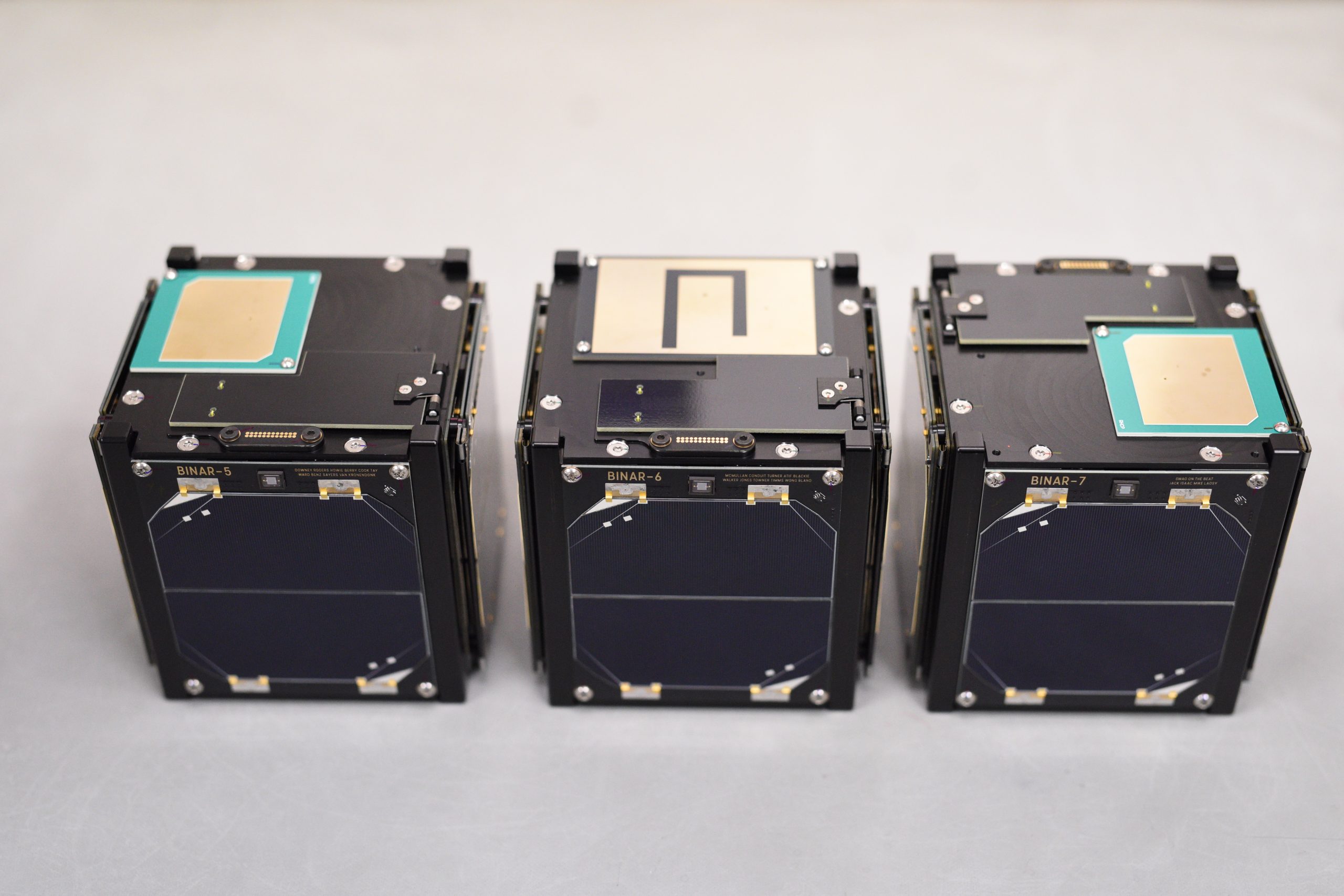
Together, the three satellites build on previous missions, strengthening communications capability and supporting the growth of Western Australia’s space sector through research, education, and industry collaboration.
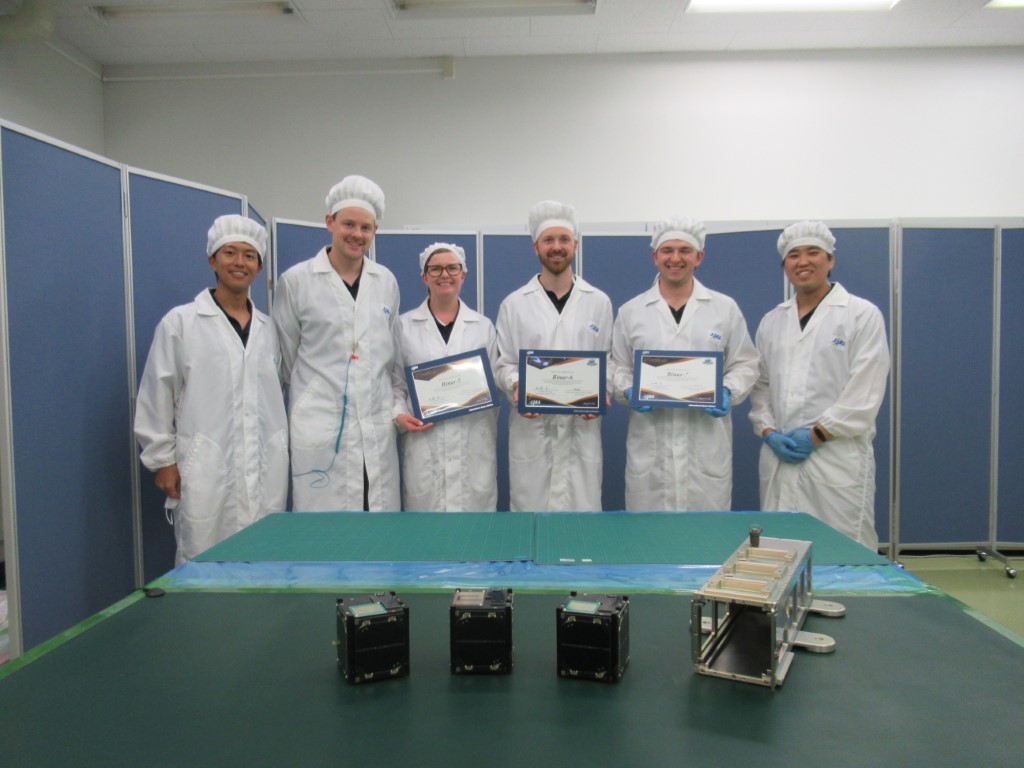
On August 25th, 2026, the team took the satellites to JAXA’s Tsukuba Space Center in Japan, supported by our fantastic launch services partner, Space BD Inc. who we’ve worked with us across all three Binar missions.
At Tsukuba on August 26th, the satellites were successfully integrated with JAXA’s J-SSOD deployment system along with Chiba University’s MOMIJI 2U CubeSat. From there, they will be transported to the launchpad in the USA for launch on a SpaceX Falcon 9 (NG-25) cargo mission to the International Space Station (ISS). Once aboard the ISS, the deployment hardware will be prepared in the Japanese Experiment Module before the satellites are released into low-Earth orbit at about 400km above the Earth.
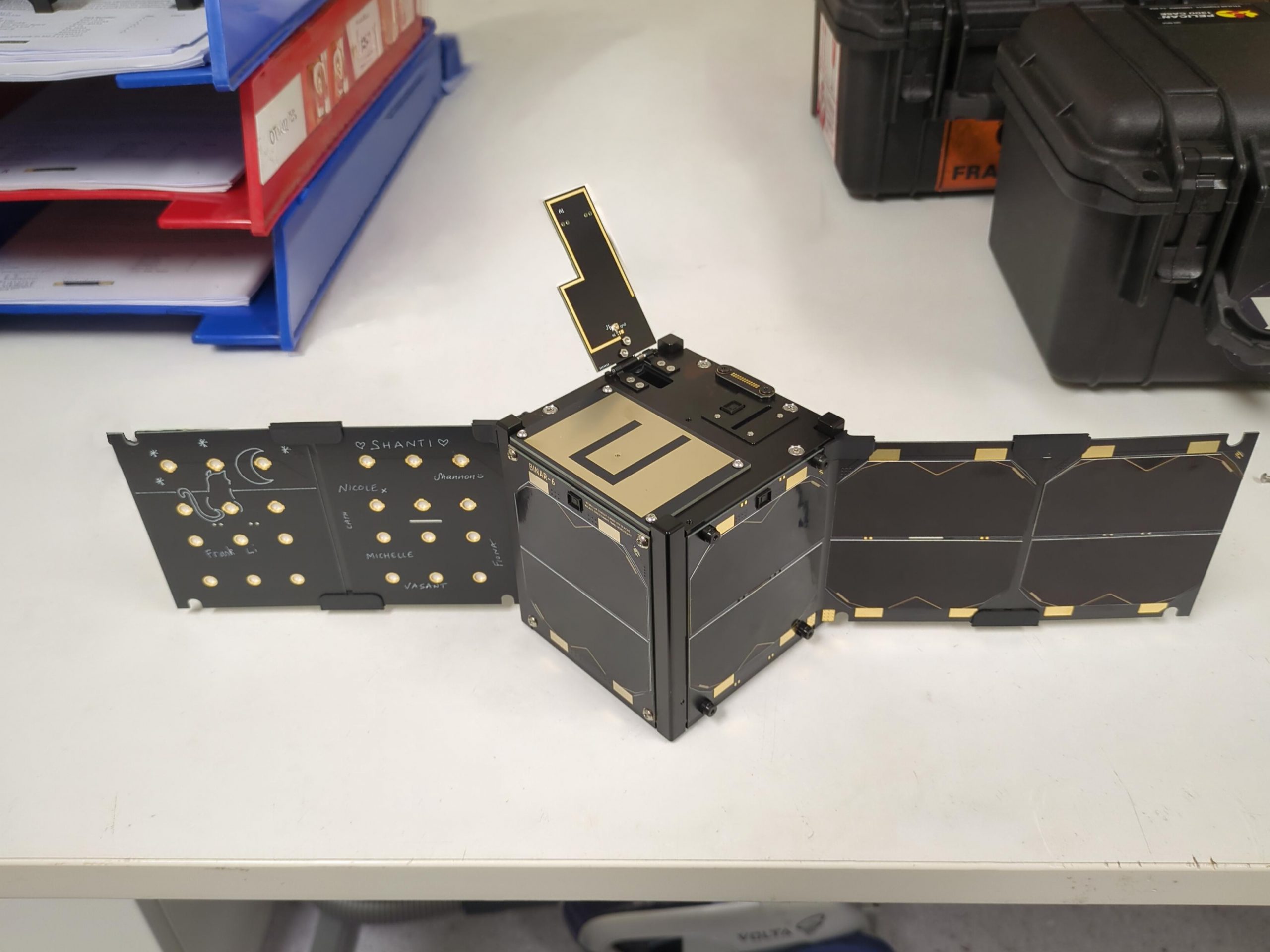
As each of the satellites orbit the Earth every ~92 minutes, our team here in Perth will commission and conduct mission operations, with support from our colleagues at the European Space Agency’s ground station facility in Germany.
As they are 1U satellites with no propulsion, the orbital life is determined by the solar activity. Binar-5, 6, and 7 will naturally decay over time, bringing the satellites back into the atmosphere and burning up at the end of the mission in 9-12 months.
One of the best parts of Binar-567 is the range of people making it happen. From high-school students working on science experiment payloads, university students and researchers, professional engineers, legal professionals and satellite operators all contributing to the mission that uplifts Australia’s and specifically Western Australia’s space industry capabilities.